Fentanyl Decontamination
Fentanyl decontamination of surfaces, vehicles and rooms after exposure.
See fentanyl decontaminationGet meth residue testing, decontamination, material removal and clearance steps for a home, rental, business or vehicle in Allentown. Keep people out of affected areas until the property has been assessed.
Meth lab cleanup is the testing, removal and cleaning needed when methamphetamine residue or drug-production chemicals have contaminated a home, rental, business or vehicle.
A clean appearance does not rule out contamination. Smoke produced by meth use can leave residue on floors, personal property, cabinets, walls, appliances and ceilings. Acids, fuels, unknown chemical mixtures, salts and solvents can be found at a production location. A careful assessment of these hazards must happen before ordinary cleaning starts or anyone shifts a container.
The biohazard remediation process should follow the testing results and the rules for the property location. Cleanup technicians isolate the affected area, use protective equipment, remove materials that cannot be cleaned, wash remaining surfaces and address the air system when needed. Post-remediation samples then show whether the tested areas meet the applicable clearance level.
A cleaning service should keep photos, scope notes, disposal documents and test reports together, so you have a clear record and can move forward after clearance.
Belongings are considered by material and condition, so you know what may be cleaned and what may need to be discarded.
Separated work areas and unaffected travel routes help prevent contaminated materials, equipment and dust from moving around your property.
A written plan gives you the testing basis, affected areas, cleaning methods, removal decisions and clearance steps before remediation starts.
Meth decontamination cleaning services become necessary when reliable history or test results point to residue from production or use. Both the testing findings and the property's background are the starting point in every case. Common examples are:
After meth use is suspected, assess the unit or room under controlled conditions and inspect surrounding areas if evidence indicates a need.
A car, recreational vehicle or truck may have contamination across its seating, flooring, interior trim and ventilation surfaces.
Work pauses when contractors encounter unusual containers, evidence of chemical staining or an old notice, before contaminated dust can spread.
A landlord or manager who learns of possible drug activity after a renter leaves needs testing ahead of repairs or another tenancy.
Before professional cleanup, focus on keeping people from exposure and residue from moving beyond the affected space. Take these actions:
Call (888) 440-9227Published cost data from PushLeads places meth lab cleanup across a broad $5,000 to $120,000 span, with a typical average of $15,000 to $20,000. The range is wide because repeated smoking in one area is different from chemical production across a full property. Testing, material removal, air-system work and local clearance requirements all change the final scope.
The figures shown are national ranges from published cost guides and are not based on an on-site visit. The price for your property is set after the on-site assessment, and you hear it before work starts.
Ask about cost: (888) 440-9227Meth contamination may or may not receive insurance coverage based on the policy and cause. Exclusions can apply to contamination, pollution, vacancy or a criminal act. Notify the insurance company, ask which assistance may be available and obtain its written decision about coverage before you authorize non-emergency work.
Securing evidence and clearing the property may fall to law enforcement, but arranging subsequent testing and decontamination generally falls to the owner.
Explain to the insurance company how you found the contamination. Check whether your policy covers sampling, cleanup, construction material removal and loss of use.
Property owners commonly organize evaluation and remediation work for rentals. Any attempt to recover costs from a tenant is separate from making the property safe.
Maintain a single file containing the police release, test results, images, remediation scope, disposal paperwork, invoices and clearance report.
The meth lab cleaning process follows a measured sequence. Every step should match the property assessment, the testing plan and the clearance rules that apply where the property is located.
Ask how cleanup technicians will assess the property history, police release, visible hazards, room layout, ventilation and possible routes of contamination before work starts.
Surface samples help identify affected areas and establish a baseline. Local requirements should determine both sampling technique and placement.
The written scope identifies containment, materials to remove, surfaces to clean, the treatment of contents and the final clearance steps.
The work area is separated from clean rooms. Cleanup technicians use protective gear suited to the residue, dust and chemical hazards found on site.
Insulation, damaged building materials, carpet, padding or soft furnishings may be removed for waste disposal when cleaning cannot meet the required level.
The surfaces left in place, including fixtures, cabinets, flooring, walls and ceilings, receive appropriate cleaning in a planned order.
The air system and movable belongings are evaluated separately. Depending on test evidence and physical state, contents may be decontaminated, set apart or thrown away.
Once cleanup ends and sampling can begin, clearance results show if more remediation is required before anyone occupies the space.
Phone any hour. A meth lab cleanup specialist answers, explains the steps and agrees a start time with you.
Even if you notice no strong odor, contaminated dust, chemicals remaining after production and direct contact with skin can make a former meth property a serious health risk.
Animals and children regularly make contact with flooring and objects. Keeping them out of the affected area reduces contact while testing and cleanup are pending.
Pre-test demolition of drywall or carpet can spread dusty residue onto work tools, garments and uncontaminated parts of the building.
Contamination may collect on flooring, counters, toys, walls and other items people touch often. Ordinary appearance does not show whether a surface meets a clearance level.
Can you clean it yourself? Do not respond to possible meth residue as you would to a routine household spill. Ordinary cleaning supplies do not reveal how widely residue spread or prove compliance with local clearance requirements. A meth-focused cleanup plan and proper testing offer safer first steps.
A material can remain only if the remediation plan permits cleaning it and the completed space is able to pass its required clearance process.
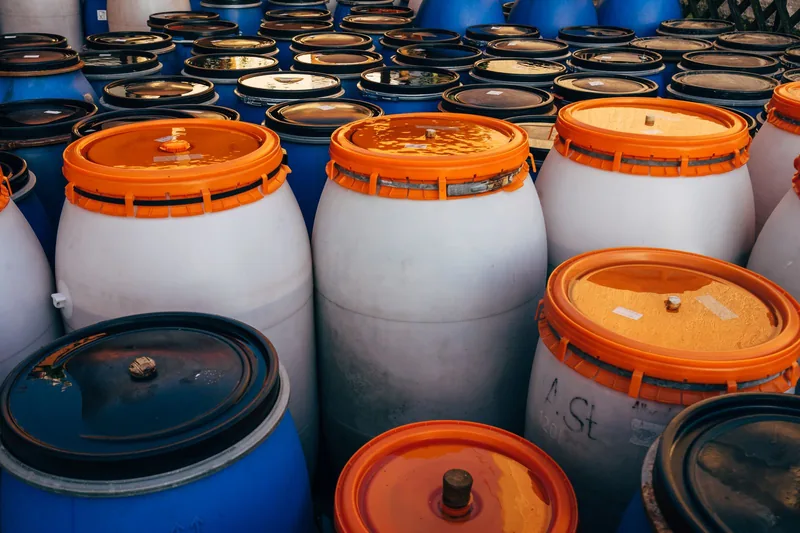
Several workdays may be needed when meth contamination is confined to one area. For an extensive production site, cleanup can continue for several weeks. The schedule is driven more by material removal, testing turnaround, clearance samples and repeat cleaning than by the number of rooms.
| Scene | Typical time on site |
|---|---|
| Restricted residue affecting little space | Several days of work, plus time for laboratory processing |
| Several rooms or HVAC involvement | Often one to several weeks |
| A past meth production property with chemical harm | Could require several weeks plus multiple clearance rounds |
Smell does not serve as a dependable meth test. Little or no odor may be present despite residue on surfaces. If a sharp chemical smell occurs, treat it as a reason to leave. Do not enter for an investigation or cover the odor with fragrance.
Controlling the source comes before work on odor or air quality. Air cleaning cannot help until settled dust, porous contaminated items and chemicals from production are addressed. An assessment can extend to filters, connected spaces, ductwork and the HVAC system. The required sampling, rather than a clean smell, should be the basis for a clearance decision.
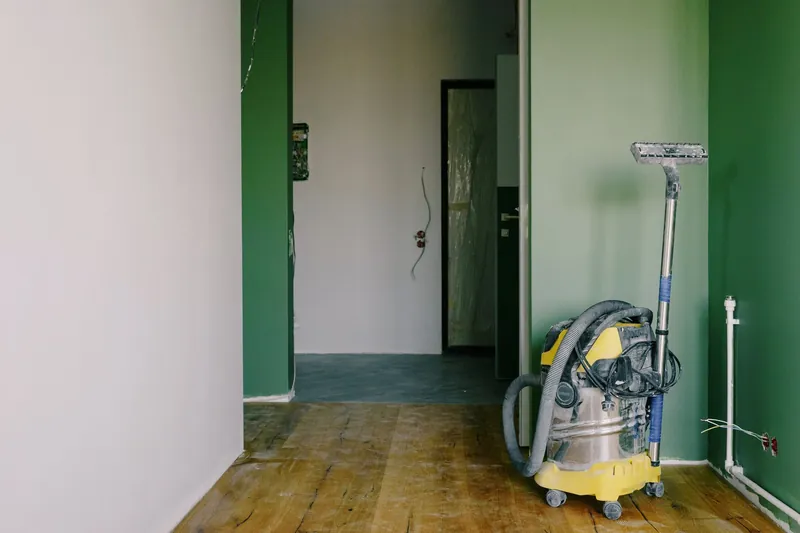
The full meth lab cleanup guide covers what is cleaned or removed, odor and air quality work, and the rules that apply in your state.
Read the full meth lab cleanup guidePlanning for access, containment and cleanup can depend on local population, housing and entry conditions.
If direct exposure occurs, the closest listed emergency option is Sisters of Charity Hospital, about 3.5 miles away, not the cleanup site.
Lower West Side, Theatre District, and West Village are nearby, which helps define practical routes for crews, equipment, and sealed waste containers.
A cleanup plan for this neighborhood should account for adjacent homes or units when setting odor control and containment boundaries.
You can ask about cleanup in nearby communities and ZIP codes during the call.
Fentanyl decontamination of surfaces, vehicles and rooms after exposure.
See fentanyl decontamination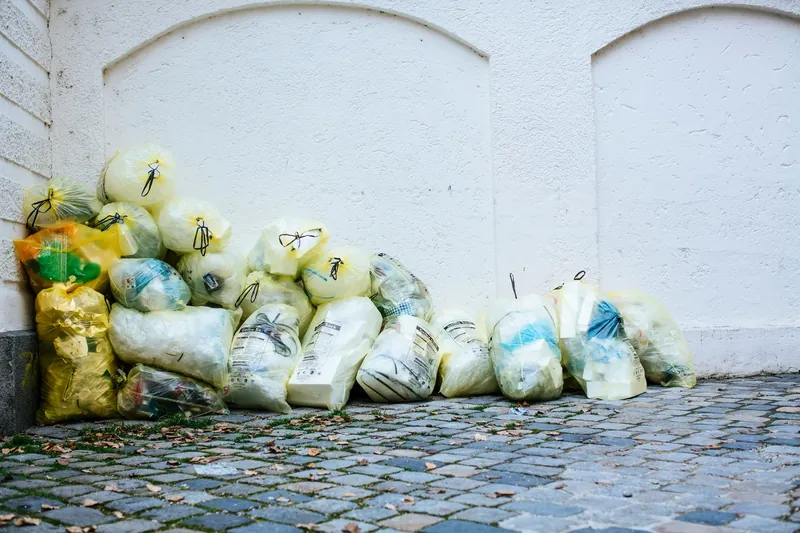
Needles, drug residue and pipes are removed from properties and rental units.
See drug paraphernalia cleanup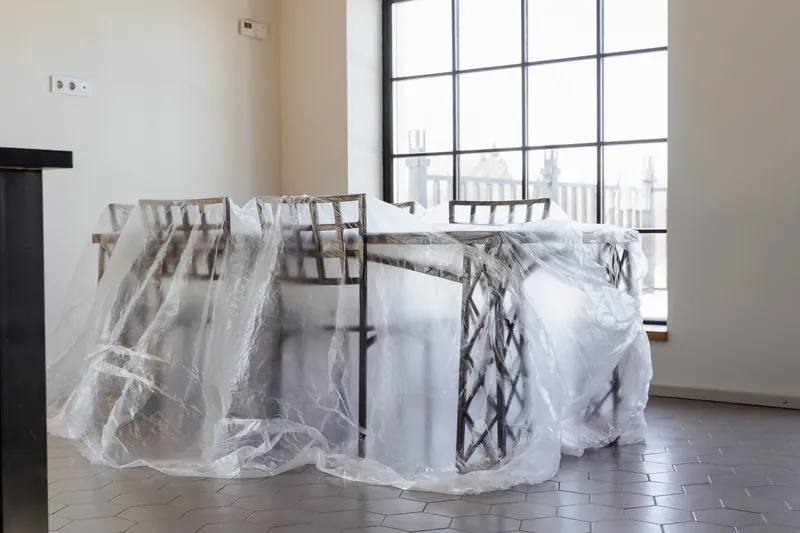
Cleanup of a grow house addresses mold, chemicals and harm caused by indoor cultivation.
See marijuana grow house cleanup
Hazmat cleanup uses suitable protective equipment when addressing hazardous materials.
See hazmat cleanup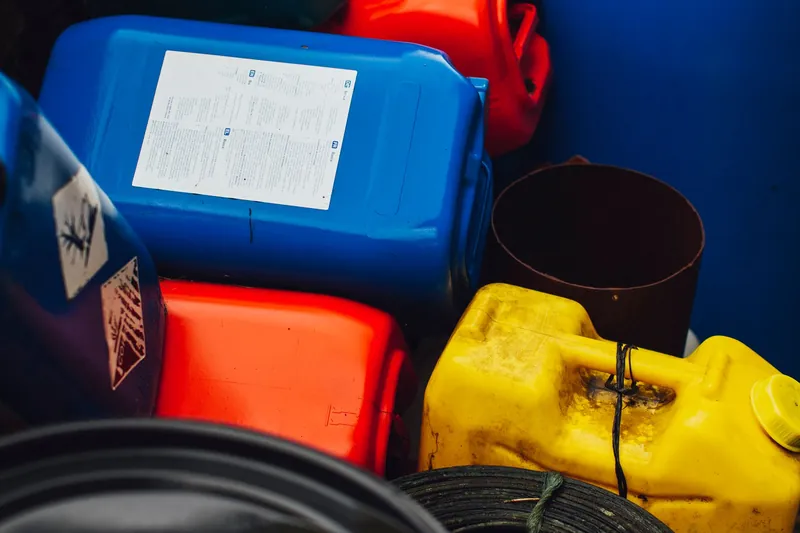
Toxic and chemical waste cleanup includes safe disposal.
See chemical and toxic waste cleanup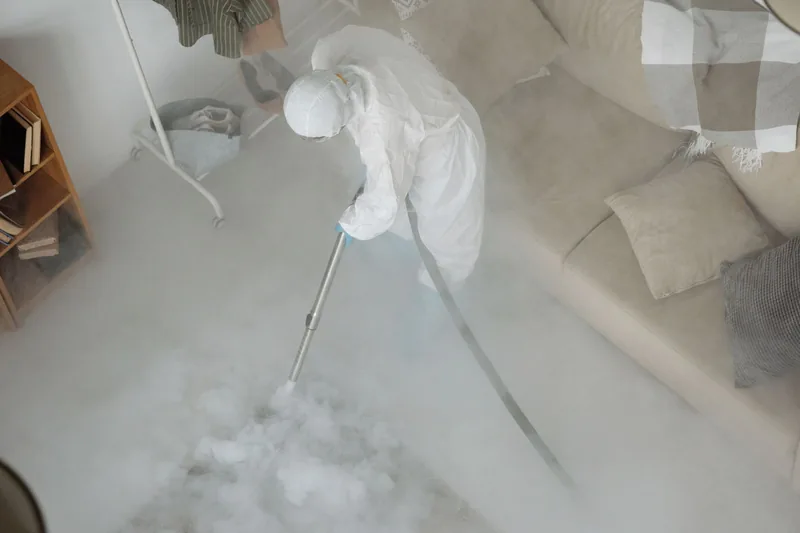
Rooms, surfaces and air receive complete decontamination following infectious or hazardous exposure.
See biohazard decontamination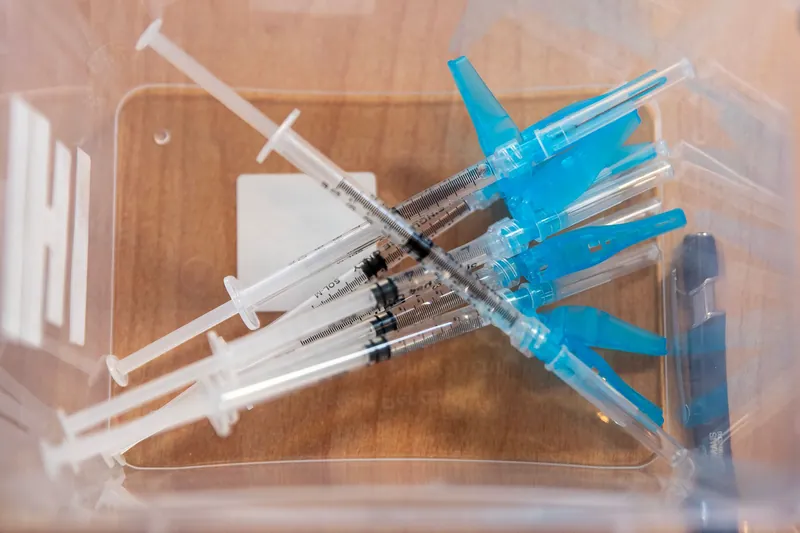
Yards, encampments, parks and rental properties receive needle and sharps cleanup.
See needle and sharps cleanup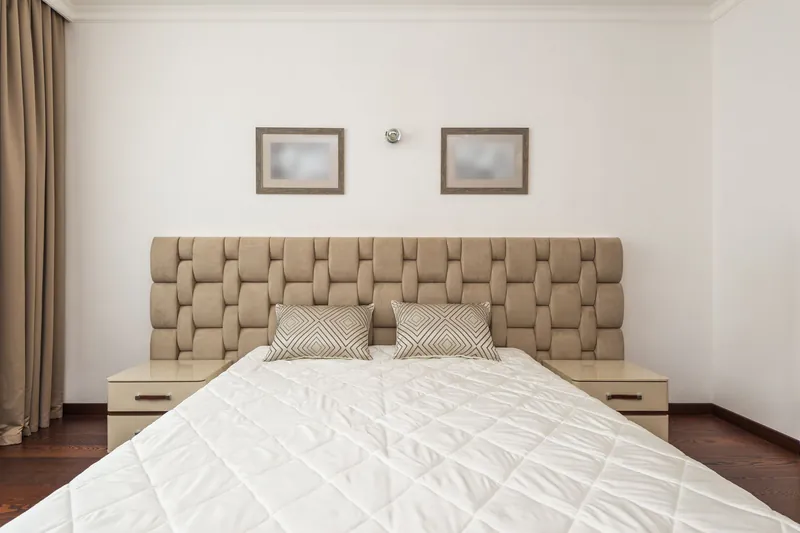
Biohazard cleanup addresses Airbnb accommodations, hotels and other rental units.
See hotel, airbnb and rental biohazard cleanupPushLeads publishes a broad range of $5,000 to $120,000 and a typical average of $15,000 to $20,000. Cost depends on the property's size, smoking versus production, HVAC contamination, testing, material removal and required rounds of cleaning or clearance.
Drug-making chemicals can sometimes create a harsh smell like solvent, although scent by itself cannot establish residue or clearance. Residue may exist in a building even when you detect no odor. When powerful chemical smells are present, exit without contacting containers and rely on surface sampling with the relevant standard.
Assess every possession according to its construction, physical state, worth and degree of contamination. Cleaning may be possible for certain solid, washable items. Absorbent belongings such as books, carpeting and upholstered furniture may resist effective remediation. The work plan should explain which items are isolated, cleaned, tested or discarded.
Cleanup can last several workdays in a restricted area or several weeks at a production property spanning multiple rooms. The timeline depends on laboratory turnaround, removal of porous materials, repeated cleaning, HVAC work and testing after remediation. You may need another round of remediation when clearance testing stays above the required limit.
Whether coverage applies varies with your policy, the cause and exclusions involving contamination, pollution, vacancy or illegal acts. When you notify the insurance company, explain how the issue came to light and check whether coverage applies to remediation, testing, temporary housing, clearance sampling and removed materials.
Testing may be appropriate when law enforcement identifies an old lab, dependable property history documents drug production or trustworthy evidence points to repeated meth use. Odd containers, chemical discoloration and powerful smells can signal danger, although neither odor nor visual inspection proves a property has cleared.
Discreet, respectful meth lab cleanup, 24 hours a day, with crews in unmarked vehicles.